
The Unspoken Conversation About Sexual Consent and Coercive Control

TL;DR: Understanding Coercive Control and Consent


Coercive control is a form of domestic abuse in which one partner uses manipulation, intimidation, isolation and fear to dominate the other person’s choices and daily life. Recent reports involving women pressured into unwanted “swinging” have highlighted how years of coercive control can make apparent sexual consent anything but voluntary. In New Jersey, coercive control is specifically recognized under the Prevention of Domestic Violence Act, requiring courts to consider these patterns of behavior when deciding whether to issue a restraining order. If you recognize these warning signs in your own relationship, know that help and legal protections are available.

For confidential legal guidance in your domestic violence matter: Request an attorney consultation today.

Read more

Domestic Violence: Help for Victims of Spousal Drugging and Chemical Control

TLDR: Signs of Spousal Drugging -- And How To Get Help


The tragic Long Island case of Aleena Asif has brought attention to a hidden form of domestic abuse known as chemical control — when a partner uses drugs or substances to manipulate, incapacitate, or harm. Victims may experience unexplained illness, confusion, or memory loss, often coupled with gaslighting or isolation. In New Jersey, chemical control can qualify as domestic violence and may be grounds for restraining orders or compensation. If you suspect you’re being drugged or controlled with substances, trust your instincts, seek immediate help, and contact Weinberger Divorce & Family Law Group for confidential legal guidance and protection.


The tragic death of Long Island mother of three, Aleena Asif, has drawn national attention to a deeply troubling and often unacknowledged form of domestic abuse: chemical control.

According to Nassau County Police, Asif was found deceased in her Herricks, Long Island home. Her estranged husband was arrested and charged with her murder. Investigators allege he used a cyanide-based chemical substance in the attack, which occurred just days after being served with divorce papers.

Asif’s domestic violence murder serves as a painful reminder that abuse in relationships can take many insidious and dangerous forms. Increasingly, experts and advocates are drawing attention to a coercive form of abuse known as chemical control, in which a partner uses drugs or other substances to manipulate, incapacitate, or harm.

How can you recognize the signs of chemical control — and how can victims get help? Let’s take a closer look.
Read more

Is Your Spouse Secretly Drugging You? Understanding Spousal Drugging Abuse & Chemical Control


TLDR: Spousal Chemical Control


Spousal drugging abuse — sometimes called “chemical control” — is when a partner uses drugs, alcohol, or medication to manipulate, harm, or control you. This is recognized under New Jersey’s domestic violence laws as a serious form of abuse.
If you believe this is happening to you, there are legal protections available, including restraining orders and other remedies. Your safety comes first.
In an emergency, call 911.

For confidential legal guidance, Request A Consultation Today.


Spousal Drugging Abuse: Domestic abuse doesn’t always look the way people expect. While many think of physical violence or verbal threats, some survivors experience abuse that is much harder to detect — but just as harmful.

Chemical control is a form of abuse in which a partner uses substances — such as prescription drugs, over-the-counter medications, or even alcohol — to manipulate, dominate, or incapacitate the other person. It can happen in the privacy of a home, often without immediate outward signs. But the emotional, psychological, and physical effects can be devastating.

Read more

IRS: Tax Benefits Available For Survivors of Domestic Violence 

When survivors of domestic violence rebuild their lives, establishing solid financial footing is a priority. During federal tax filing season, important IRS tax benefits can support survivors in achieving the goal of financial recovery. Is someone in your life picking up the pieces following abuse? Here’s what to know before filing this year’s tax returns.

Read more

Help in 2024 for Victims of Stalking and Cyber Harassment as SASPA Becomes VASPA 

cyberstalkingIn 2023, the New Jersey legislature took action to expand the protections of the Sexual Assault Survivors Protection Act, NJSA 2C:14-13, et seq. (SASPA). Effective January 1, 2024, the amended law allows victims of stalking or cyber-harassment to request restraining orders even in the absence of a sexual assault or attempted sexual assault. The law remains otherwise the same but has been retitled the “Victim’s Assistance and Survivor Protection Act” (VASPA).

Let’s unpack VASPA to see how updated provisions close loopholes and help victims of stalking and cyber harassment gain improved access to protection.

Read more

4 Ways Abusers Are Using High Tech To Stalk In 2022 — And What You Can Do To Protect Yourself

cyberstalking in 2022

Is your phone being used to spy on you? How about your car? As “smart” internet-enabled technologies continue to evolve, unfortunately, so too do the techniques abusive spouses use to twist these advances into manipulative tools of surveillance and cyberstalking. 

Should you be concerned for your safety? In 2022, you need to learn four new ways abusers are using high tech to stalk — and the steps you can to protect yourself. Read more

How To Help An Adult Child Trapped In An Abusive Relationship

talking to adult child about domestic violence

When her tragic disappearance and murder made headlines around the world, the life of Gabby Petito sparked a much-needed conversation about relationship safety. Anyone who watched footage of Gabby and Brian Laundrie stopped by the police in Moab, Utah, over a domestic violence dispute were left with questions…could more have been done to detect warning signs of abusive behavior? What legal steps can be taken to protect victims from their abusers? And, how do you help a loved one trapped in a violent relationship right now? Read more

Strangulation In Domestic Violence Is a Dire Red Flag: Here’s How To Help Victims

Strangulation is one of the most underreported crimes of domestic violence. It’s also among the most deadly. According to the Journal of Emergency Medicine, domestic violence strangulation is a key predictor of future domestic violence homicide.

New Jersey recently passed a law elevating strangulation from a third to a second degree crime in the state. As Bari Weinberger wrote in her recent New Jersey Law Journal article, “Strangulation: How The ‘Rough Sex’ Defense Doesn’t Wash in DV Cases,” while this new law is an important step in the right direction, there’s more work to be done to bring justice to victims of strangulation.

Do you have a friend or loved one who you suspect may be a victims of domestic violence strangulation? Here’s how to get them the help they need.  Read more

NJ Domestic Violence Restraining Orders: How Do You File In 2021

help for domestic violenceAre you a victim of domestic violence and not sure where or how to seek help in 2021? Get the information you need to protect yourself this winter and beyond. You can get out and you can stay safe.  Read more
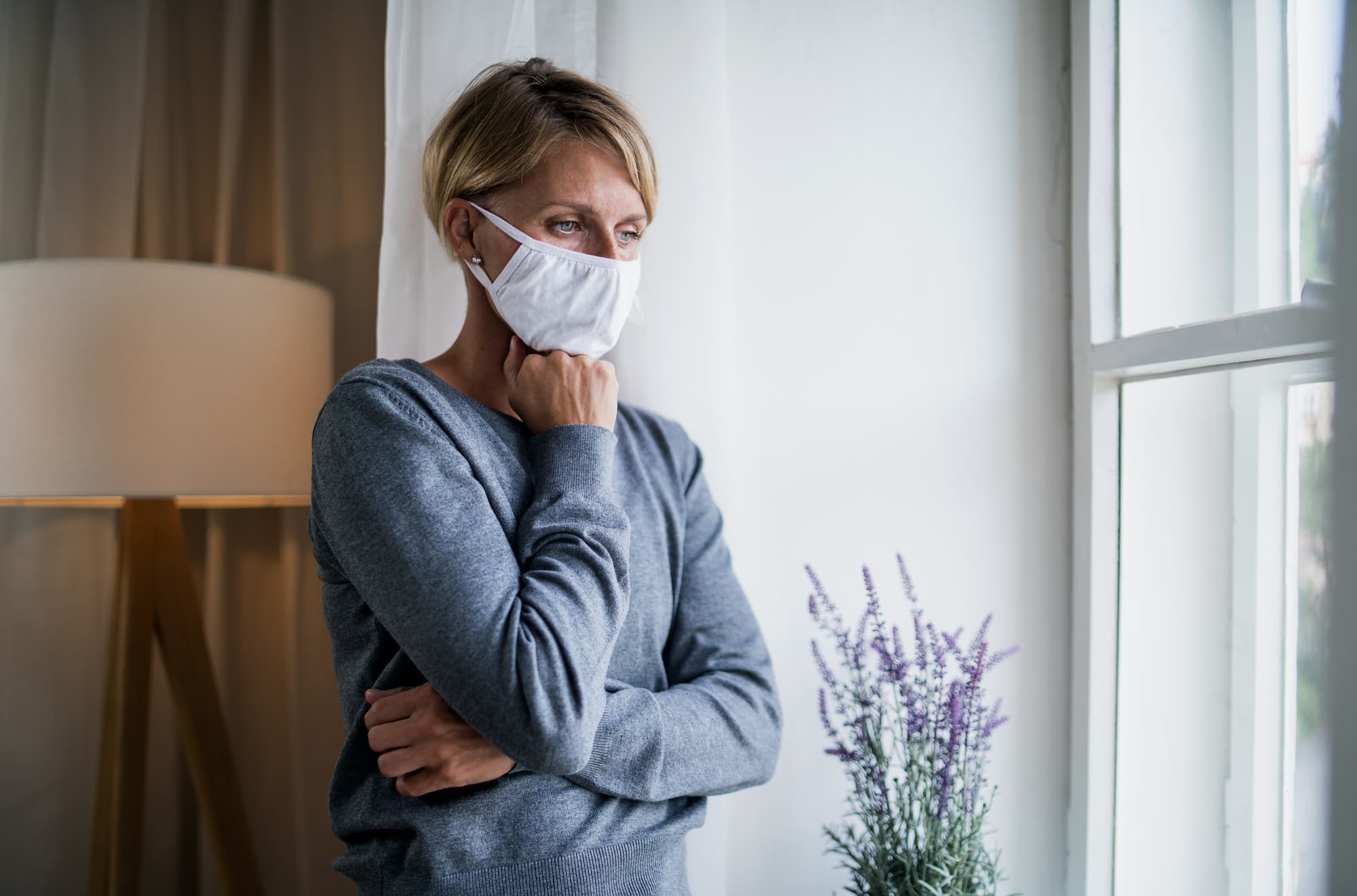
Here’s What Happened To NJ’s Domestic Violence Cases During Covid-19 — And What You Can Do To Get Help 

nj domestic violence covid-19A NY Times article from the height of the Covid-19 pandemic found that domestic violence rates around the globe were rising, spurred by Covid-19 lockdowns, economic distress, and victims driven even further into isolation.

Concerned about similar spikes in domestic abuse that may be happening here in New Jersey, family law expert Bari Weinberger, our firm’s founder, set out to uncover how factors such as home confinement and court closures have impacted statewide domestic violence rates.  Read more